
Industrial Network Solutions
Plan and source resilient Cisco-based connectivity for mines, power plants, substations, renewable energy sites and remote field operations.
- Rugged edge and long-distance fiber architecture
- Resilient rings and redundant power
- Secure OT segmentation and remote connectivity
Typical Scenarios

Industrial Connectivity for Energy and Resource Operations
Connect pits, shafts, conveyors, crushing systems and processing facilities over a rugged site network.
Support control, protection, auxiliary systems, cameras and operations across the generation facility.
Projects where network hardware must remain stable and supported for many years without frequent replacement.
Connect wind, solar, battery storage and remote field assets with secure centralized visibility.
Mining and Energy Network Architecture: Field, Site and Control Center
A three-layer design maps rugged field assets to site aggregation, operations systems and the secure OT/IT boundary.

Rugged Connectivity for Operational Assets
Place hardened access switching near mine equipment, protection devices and renewable assets while accounting for enclosure, power and fiber conditions.
- PLCs, IEDs, RTUs, sensors, cameras and access points
- DIN-rail and rugged compact form factors
- Copper, PoE and fiber endpoint planning
Resilient Aggregation and Fiber Rings
Aggregate mine areas, plant blocks, substations or renewable clusters with long-distance uplinks, redundant paths and defined failure domains.
- Single-mode fiber across large or distributed sites
- Ring and dual-homed uplink designs
- Segmentation between operational zones


Secure Connectivity to the Control Center
Connect field zones to mine dispatch, plant control, SCADA or energy-management systems without weakening OT isolation.
- Site core and control-room connectivity
- Firewall, OT DMZ and controlled remote access
- Central visibility and network management
Cisco Platforms for Mining and Energy Networks
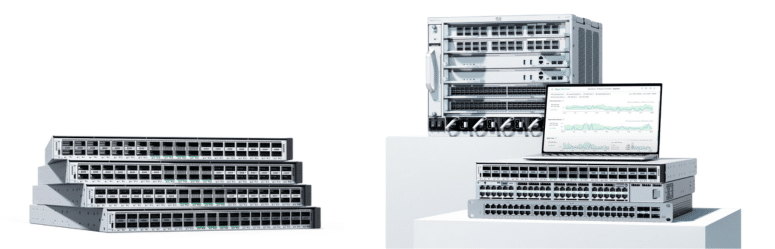
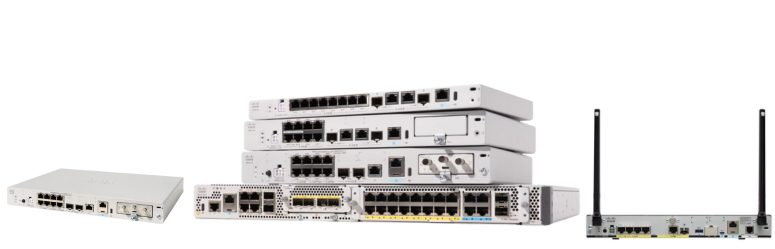
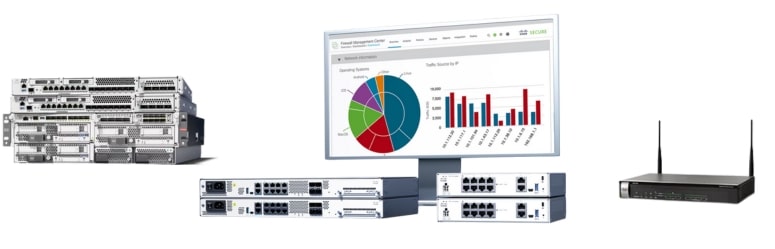
Built for Mining and Energy Network Procurement
Reduce product-selection risk by combining energy-site requirements with Cisco hardware, compatibility and lifecycle knowledge.
Mining & Energy Context
Translate field, site and control-center requirements into hardware roles.
Rugged & Remote-Site Selection
Match form factor, temperature, power, mounting and distance constraints.
Fiber, Power & Accessory Fit
Confirm optics, power supplies, modules and mounting for the complete link.
Lifecycle & Spares Awareness
Review support status, replacement paths and critical spare requirements.
Global Project Supply
Coordinate pricing, availability and delivery for remote or international sites.
How the Project Typically Works
We review environmental conditions, industrial protocols, device types, and operational requirements to define a reliable network foundation.
2.Architecture & Industrial Design PlanningAn industrial-grade network architecture is designed with redundancy, environmental tolerance, and long-term stability in mind.
3.Hardware Selection & Lifecycle AlignmentWe recommend suitable industrial networking platforms based on operating conditions, lifecycle expectations, and vendor support timelines.
4.Pricing, Lead Time & Compliance ConfirmationPricing, availability, lead time, and compliance requirements are confirmed clearly before order placement.
5.Delivery, Verification & Project SupportIndustrial equipment is delivered globally with optional serial verification and ongoing project-level support.
Planning a Mining or Energy Network?
These answers cover the information buyers typically need before confirming a field-to-control-center hardware BOM.