Benefits of Using Low Cost Managed Switches
In today’s interconnected world, networking is more important than ever. Whether you’re setting up a small office, enhancing your home network, or expanding a business infrastructure, having the right network switch can make a significant difference. Managed switches, especially low cost options, offer a range of benefits that can enhance network performance and security without breaking the bank.
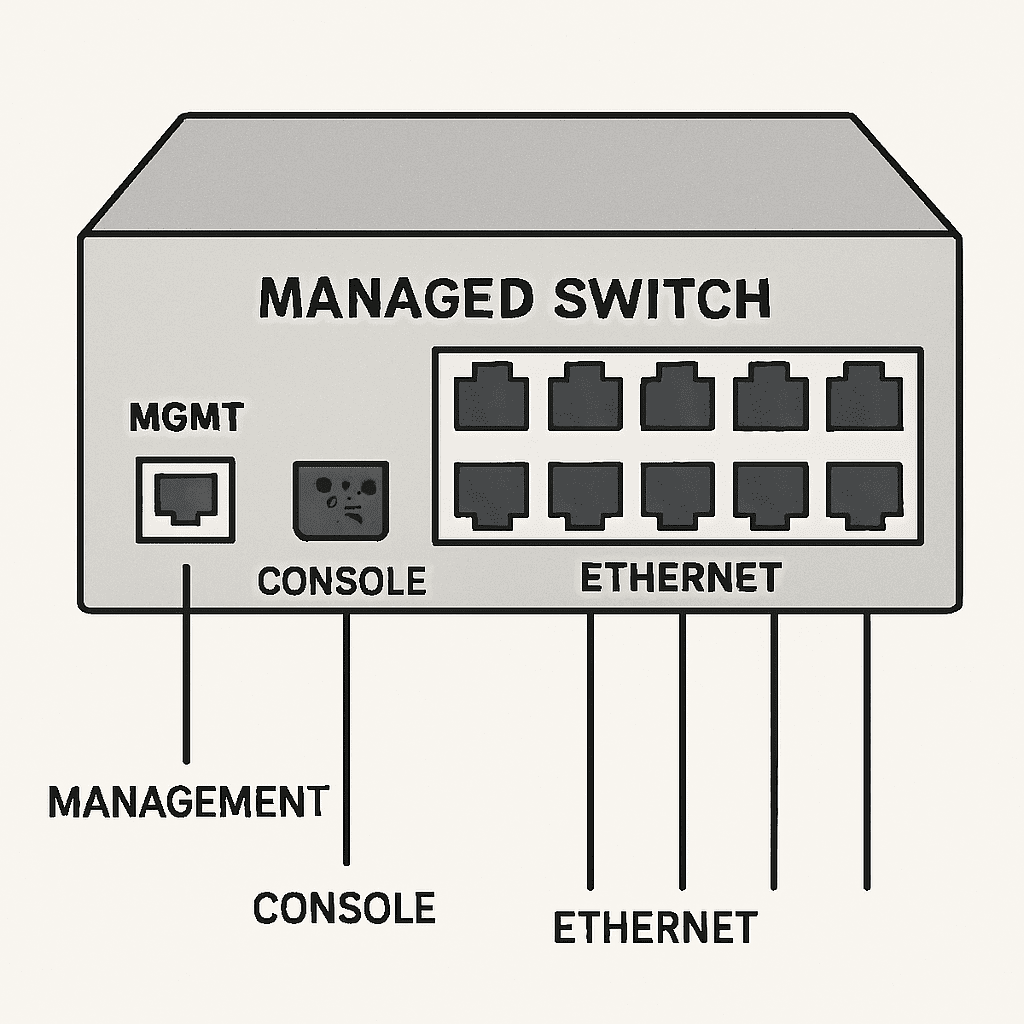
Before diving into the benefits, it’s crucial to understand what a managed switch is. A managed switch is a type of network switch that provides advanced features for managing and securing a network. Unlike unmanaged switches, which offer basic connectivity without much control, managed switches allow you to configure, manage, and monitor your network in detail.
Defining Managed Switches
A managed switch provides capabilities that go beyond simple connectivity. It offers enhanced control over network traffic, enabling administrators to optimize performance and enhance security measures. These switches come with a range of features that can be tailored to meet specific needs, making them suitable for various network environments.
Types of Managed Switches
Managed switches come in several varieties, each suited to different networking requirements. Fully managed switches offer the most comprehensive control and are ideal for large enterprises. Smart managed switches, also known as “lightly managed,” provide a middle ground with essential features for small to medium businesses. Additionally, cloud-managed switches are gaining popularity for their remote management capabilities, allowing for convenient control from anywhere.
Key Features of Managed Switches
- VLAN Support: Virtual LANs (VLANs) allow you to segment your network for better organization and security. By isolating different types of traffic, VLANs help in reducing congestion and improving security by limiting access to sensitive areas of the network.
- Quality of Service (QoS): This feature prioritizes network traffic, ensuring that important data gets through first. QoS is particularly valuable for applications that require real-time data processing, such as video conferencing or VoIP.
- Port Mirroring: Useful for monitoring network traffic and diagnosing issues. Port mirroring allows network administrators to duplicate traffic from one port to another, facilitating troubleshooting and network analysis.
- Security Features: Managed switches often come with enhanced security options to protect against unauthorized access. Features such as access control lists (ACLs), secure management interfaces, and encryption protocols contribute to a more secure network environment.
Benefits of Low Cost Managed Switches
Affordability Without Compromising Quality
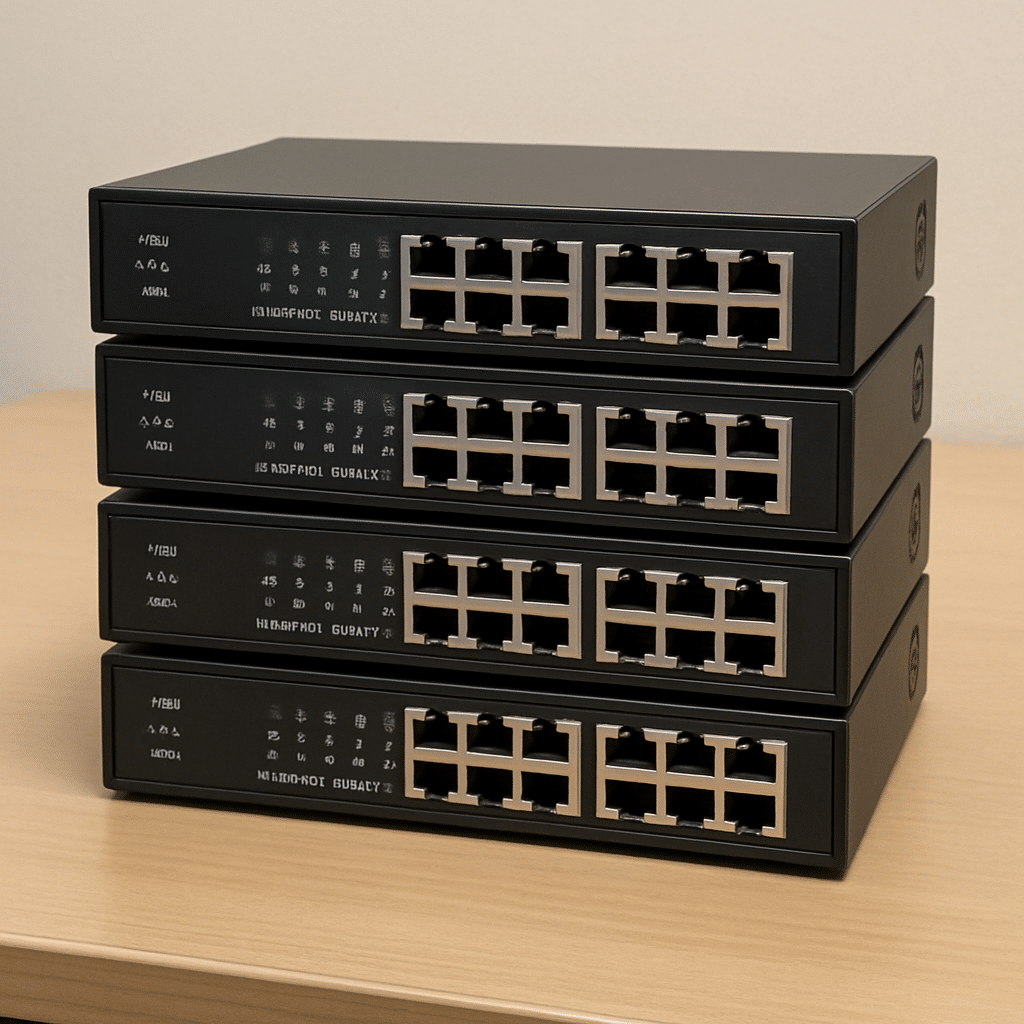
One of the most significant benefits of low cost managed switches is affordability. These switches offer many of the same features as their more expensive counterparts, making them an excellent choice for budget-conscious users. Whether you’re setting up a managed switch for home use or a small business, you can find options that deliver great value.
Balancing Cost and Functionality
Low cost managed switches strike a perfect balance between price and functionality. They provide the essential features needed to maintain a robust network without the hefty price tag. This makes them particularly appealing to small businesses and individuals who want enterprise-level capabilities without a significant investment.
Access to Enterprise-Level Features
Despite their lower price, these switches often include advanced features typically found in higher-end models. From VLANs to QoS, budget-friendly managed switches offer comprehensive solutions that cater to both basic and advanced networking needs, ensuring users don’t miss out on critical functionalities.
Cost-Effectiveness for Startups
For startups and small enterprises, cost is a major consideration. Low cost managed switches allow these organizations to deploy efficient networks that support growth without stretching their financial resources. This cost-effectiveness can be a critical factor in the early stages of business development.
Enhanced Network Control and Flexibility
Managed switches provide greater control over your network. With the ability to configure each port individually, you can optimize performance and tailor the network to your specific needs. This flexibility is particularly beneficial for businesses that need to adjust to changing demands or troubleshoot network issues quickly.
Customizable Network Settings
Each port on a managed switch can be configured to meet specific network requirements. This customization enables network administrators to allocate bandwidth, prioritize traffic, and establish security protocols, ensuring that the network operates efficiently and securely.
Adapting to Business Needs
As businesses evolve, so do their networking needs. Managed switches offer the flexibility to adapt to these changes seamlessly. Whether it’s adding new devices, increasing bandwidth, or enhancing security measures, these switches provide the tools necessary to accommodate growth and change.
Simplified Network Management
The advanced control features of managed switches lead to simplified network management. With intuitive interfaces and remote management capabilities, network administrators can easily oversee and adjust network settings, leading to improved efficiency and reduced downtime.
Improved Network Performance
Low cost managed switches can significantly improve network performance. Features like VLAN support and QoS ensure that your network runs smoothly, even during peak usage times. By prioritizing critical data and managing bandwidth efficiently, these switches help reduce latency and prevent bottlenecks.
Optimizing Data Flow
Managed switches allow for the optimization of data flow across the network. By prioritizing certain types of traffic and ensuring efficient bandwidth allocation, these switches help maintain high performance levels, reducing delays and ensuring smooth operation.
Reducing Network Congestion
During peak times, network congestion can be a major issue. Managed switches alleviate this by managing traffic effectively, ensuring that critical data gets the bandwidth it needs. This leads to improved reliability and a better user experience across the network.
Enhancing Application Performance
Applications that require real-time data processing benefit greatly from the performance improvements provided by managed switches. By reducing latency and ensuring consistent data flow, these switches support applications such as online gaming, video conferencing, and streaming services.
Enhanced Security Features

Security is a top priority for any network, and managed switches provide robust security features. With options to set up VLANs and control access to each port, you can protect sensitive data and prevent unauthorized access. This is especially important for businesses handling confidential information.
Comprehensive Access Control
Managed switches offer comprehensive access control features, allowing network administrators to define who can access certain parts of the network. This is crucial for protecting sensitive data and ensuring that only authorized users have access to critical network resources.
Protecting Against Threats
In today’s digital landscape, protecting against cyber threats is more important than ever. Managed switches come equipped with security features such as firewalls, intrusion detection systems, and encryption, helping to safeguard the network against potential attacks.
Maintaining Compliance
For businesses subject to regulatory requirements, maintaining compliance is essential. Managed switches provide the tools necessary to adhere to industry standards, ensuring that the network remains secure and compliant with legal obligations.
Simplicity and Ease of Use
Despite their advanced features, many low cost managed switches are user-friendly. They often come with web interfaces or management software that make configuration straightforward, even for those with limited networking experience. This ease of use makes them a great choice for home networks and small businesses alike.
User-Friendly Interfaces
Managed switches often feature user-friendly interfaces that simplify the configuration process. Whether through a web-based interface or dedicated management software, these tools make it easy for users to configure and manage their networks without extensive technical knowledge.
Streamlined Setup Processes
The setup process for managed switches is designed to be straightforward, even for beginners. With clear instructions and intuitive interfaces, users can quickly get their networks up and running, reducing the time and effort required for installation.
Support and Resources
Many manufacturers provide extensive support and resources to help users configure and manage their managed switches. From online tutorials to customer support, these resources ensure that users can take full advantage of their switch’s capabilities, regardless of their technical expertise.
Scalability for Growing Networks
As your network grows, your needs will evolve. Low cost managed switches offer scalability, allowing you to expand your network without a complete overhaul. This makes them a smart investment for businesses planning for future growth.
Future-Proofing Your Network
Investing in managed switches is a strategic move for future-proofing your network. As your organization grows, these switches can be easily upgraded or expanded to meet new demands, ensuring that your network remains efficient and effective over time.
Accommodating Additional Devices
Scalability is essential for accommodating new devices and users. Managed switches provide the flexibility to add more ports or devices as needed, allowing your network to grow alongside your business without significant disruptions or costs.
Planning for Expansion
For businesses planning for expansion, managed switches offer the scalability needed to support growth. By providing the ability to add new features and capabilities as required, these switches ensure that your network can adapt to changing business needs and remain competitive in a dynamic market.
Fanless Managed Switches: A Quiet Solution
For environments where noise is a concern, fanless managed switches offer a silent alternative. These switches use passive cooling methods, eliminating the need for fans. This not only reduces noise but also lowers power consumption, making them an eco-friendly choice.
Advantages of Fanless Managed Switches
- Silent Operation: Ideal for offices, home networks, or any noise-sensitive environment. The absence of fans ensures a quiet operation, making them perfect for settings where noise can be a distraction.
- Energy Efficiency: Consumes less power compared to traditional switches with fans. Fanless switches contribute to a reduction in overall energy consumption, which can lead to cost savings and a reduced environmental impact.
- Reliability: Fewer moving parts mean less chance of mechanical failure. The absence of fans reduces the risk of component failure, resulting in a longer lifespan and less maintenance compared to traditional switches.
Eco-Friendly Benefits
Fanless managed switches align with environmental sustainability goals. By consuming less power and producing less heat, they help reduce the carbon footprint of your network infrastructure, contributing to a greener and more sustainable operation.
Suitability for Different Environments
Fanless switches are particularly suited to environments where maintaining a quiet atmosphere is crucial. Whether in a library, recording studio, or an open-plan office, these switches ensure that networking equipment does not interfere with the ambient environment.
Long-Term Cost Savings
The reduced power consumption and increased reliability of fanless switches can lead to significant long-term cost savings. With fewer maintenance requirements and lower energy bills, these switches offer a cost-effective solution for organizations looking to optimize their network infrastructure.
Selecting the Right Managed Switch for Your Needs
When choosing a managed switch, consider the following factors:
- Number of Ports: Ensure the switch has enough ports to accommodate all your devices, with room for expansion.Assessing Your Current Network
Before selecting a switch, it’s crucial to assess your current network setup. Identify the number of devices currently in use and consider any future additions. This will help determine the appropriate switch size and port count needed to support your network effectively.
Planning for Growth
Consider future growth when evaluating port requirements. Opt for a switch that not only meets your current needs but also accommodates potential expansion. This foresight ensures that your network remains scalable and adaptable over time.
Flexibility in Port Configuration
Look for switches that offer flexible port configurations, allowing you to customize port settings to meet specific needs. This flexibility is essential for optimizing network performance and ensuring efficient data flow across all connected devices.
- Speed and Performance: Look for switches that support the speed and bandwidth your network requires.Evaluating Network Demand
Analyze your network’s performance requirements to determine the necessary speed and bandwidth. Consider factors such as the type of applications in use, data transfer needs, and peak usage times to select a switch that can handle your network’s demands.
Ensuring Compatibility
Ensure that the switch you choose is compatible with your existing network infrastructure. Compatibility with current devices and technologies is crucial to maintaining seamless operation and avoiding potential connectivity issues.
Supporting High-Performance Applications
For networks running high-performance applications, such as video streaming or large data transfers, select a switch that supports higher speeds and advanced features like QoS. This will help maintain optimal performance and prevent latency or bottlenecks.
- Features: Identify the features that are most important for your setup, such as VLAN support, QoS, and security options.Prioritizing Essential Features
Determine which features are critical for your network setup. Consider factors such as security needs, data traffic management, and network segmentation to prioritize the features that will provide the most benefit to your organization.
Evaluating Advanced Capabilities
In addition to essential features, evaluate any advanced capabilities that may be beneficial. Features like remote management, advanced security protocols, and customizable settings can enhance network performance and security, providing added value.
Balancing Features and Budget
While advanced features can enhance network functionality, it’s important to balance these with your budget. Identify the most important features that align with your needs and ensure that the switch you choose offers good value without exceeding your financial constraints.
- Budget: While low cost managed switches offer great value, ensure the switch meets your needs without compromising on essential features.
Setting a Realistic Budget
Establish a realistic budget for your networking needs, taking into account both current requirements and potential future expansions. This will help guide your decision-making process and ensure that you select a switch that provides the best value for your investment.
Comparing Options
Compare various low cost managed switches to find the best match for your budget and requirements. Consider factors such as brand reputation, feature set, and customer reviews to make an informed decision and avoid overspending on unnecessary features.
Long-Term Investment Considerations
While budget is an important consideration, also view the purchase as a long-term investment. A slightly higher initial cost for a switch with better features and scalability may lead to greater savings and enhanced performance over time.
Conclusion
Low cost managed switches provide an excellent balance of affordability, performance, and features. Whether you’re setting up a managed switch for home or upgrading a small business network, these switches offer the control and flexibility needed to manage a modern network effectively. With options like fanless managed switches, you can also enjoy silent operation and energy efficiency. By investing in the right managed switch, you’ll ensure your network is prepared for both current demands and future growth.
In summary, the benefits of using low cost managed switches are clear: they offer enhanced network control, improved performance, robust security, and scalability—all at a price point that makes them accessible to a wide range of users. Whether for home or business, a managed switch is a wise investment that can help you maintain a fast, secure, and reliable network.