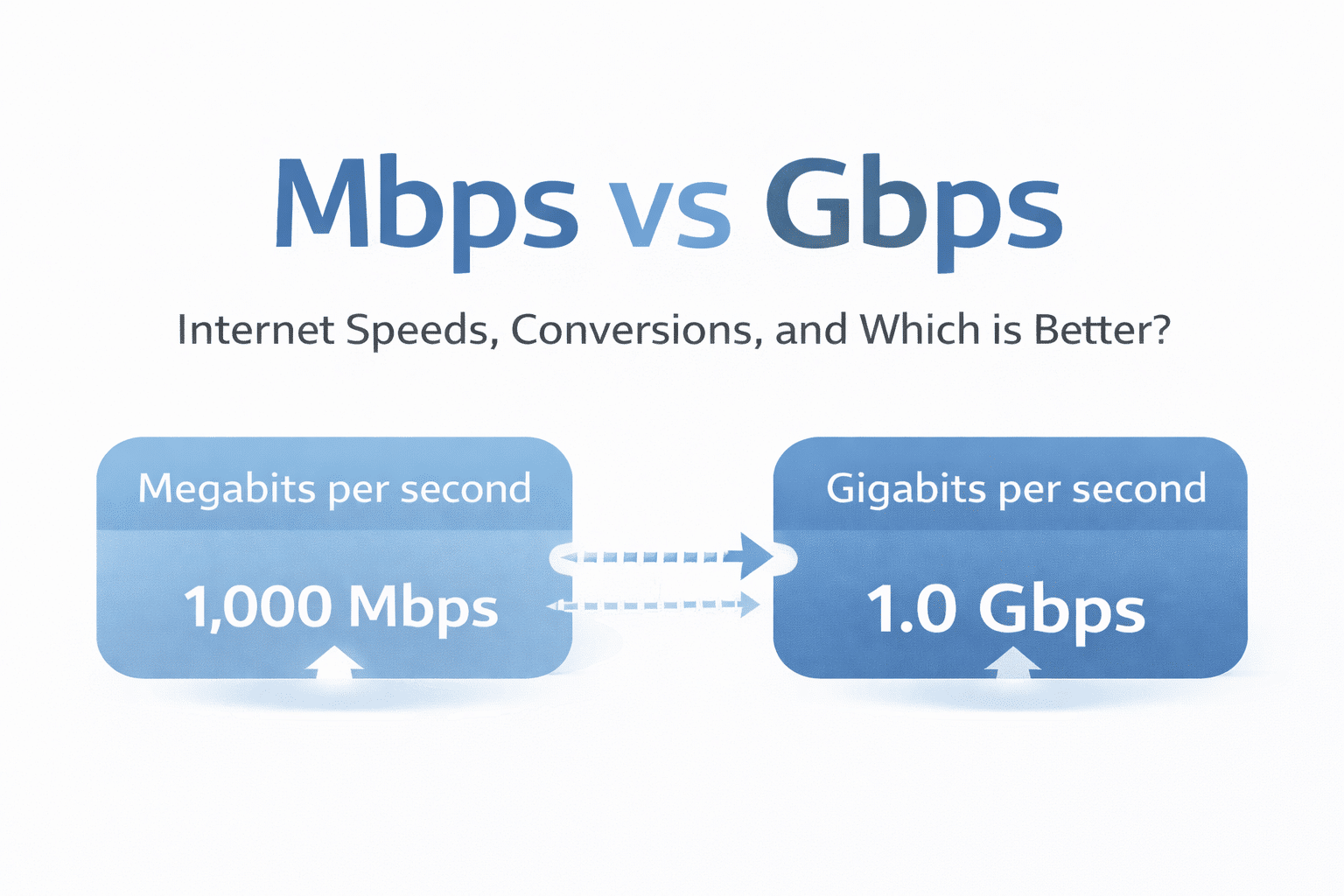
Mbps vs Gbps: Internet Speeds, Conversions, and Which Is Better?
Gbps is bigger than Mbps. A gigabit per second (Gbps) equals 1,000 megabits per second (Mbps), so 1 Gbps is the faster,...
Read More
IT Hardware Topic
Practical networking knowledge for enterprise IT teams, integrators, and technical buyers. Topics include switching, routing, wireless, security, interfaces, troubleshooting, and deployment concepts, with a focus on decision support and real infrastructure planning.
Category
Gbps is bigger than Mbps. A gigabit per second (Gbps) equals 1,000 megabits per second (Mbps), so 1 Gbps is the faster,...
Read More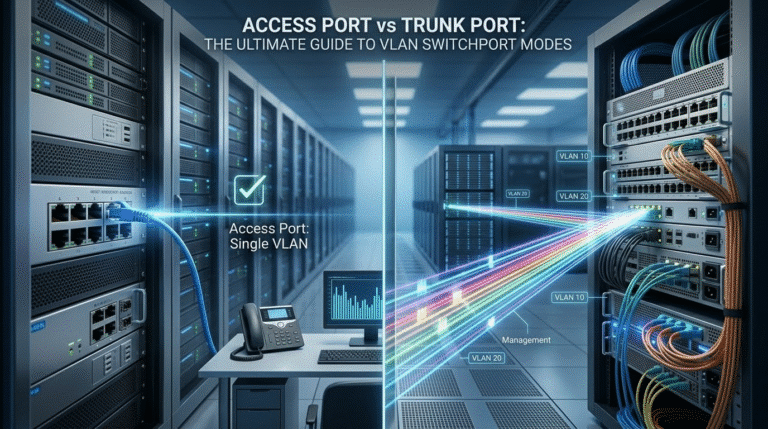
An access port and a trunk port differ fundamentally in how they process Virtual Local Area Network (VLAN) traffic. An...
Read More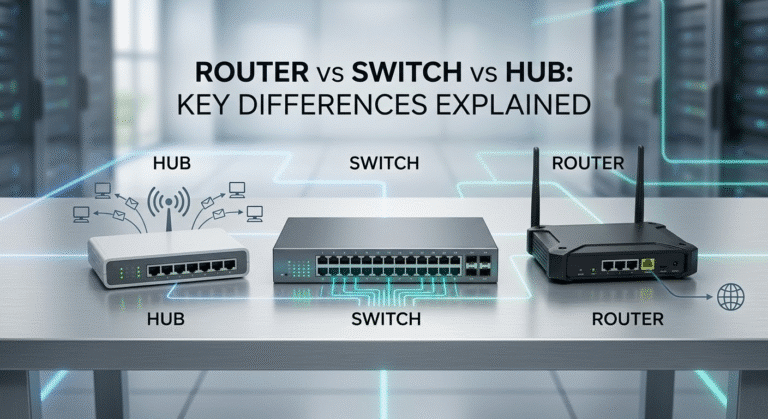
A hub repeats incoming bits across one shared Ethernet segment at OSI Layer 1. A Layer 2 switch learns MAC...
Read More
Throughput and bandwidth are often confused in networking. Bandwidth represents the maximum theoretical capacity of a network link, while throughput...
Read More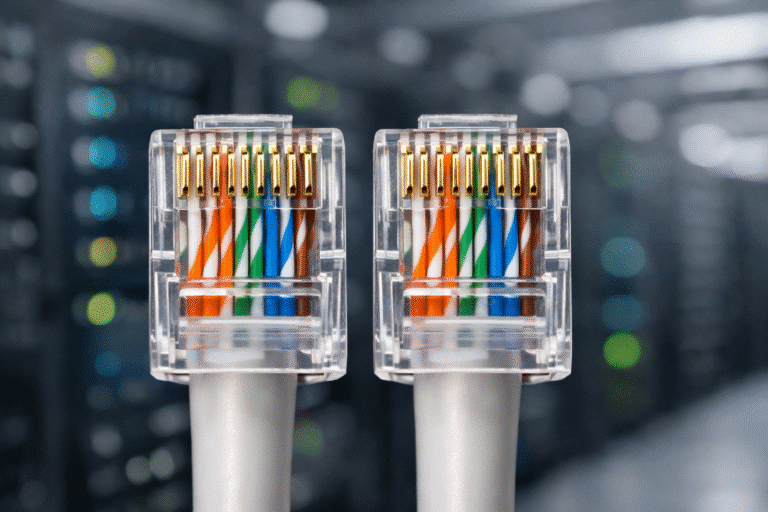
A straight-through cable is an Ethernet cable with the same wiring order on both RJ45 connectors. It can be terminated...
Read More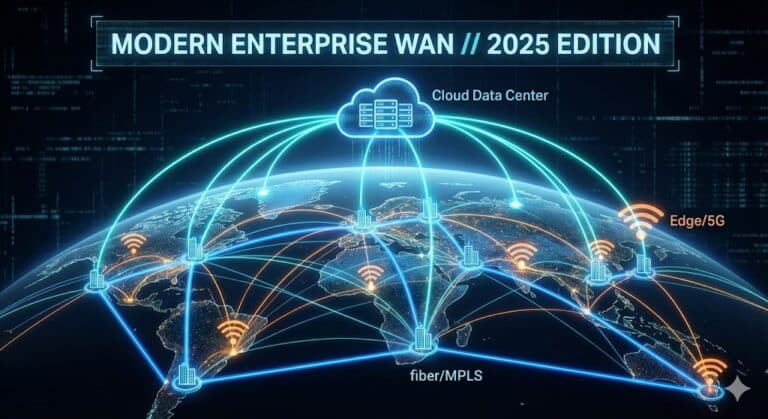
A WAN example is any network that connects users, offices, LANs, data centers, or cloud services across large geographic areas....
Read More
Understanding the different types of computer networks is the fundamental skill for every IT professional, network engineer, or technology enthusiast....
Read More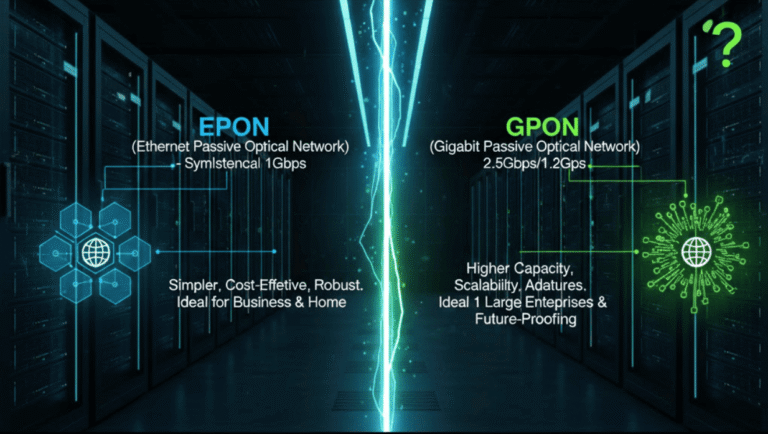
Short Answer :EPON uses Ethernet-based transmission with symmetrical bandwidth and lower cost, while GPON uses TDM/GEM with higher downstream capacity,...
Read More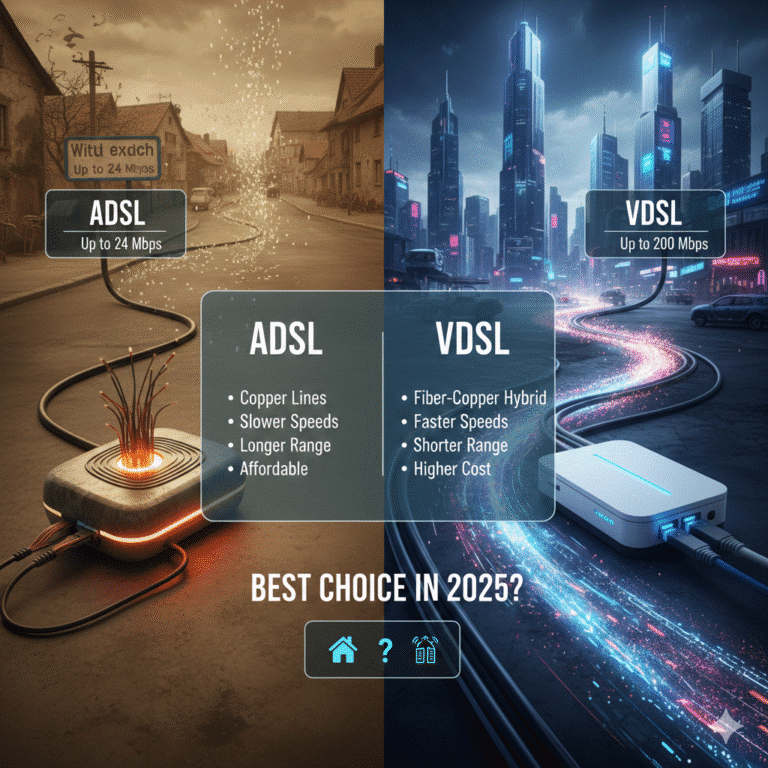
If you’ve ever wondered whether you should stay on ADSL or upgrade to VDSL, you’re not alone. Both run over...
Read More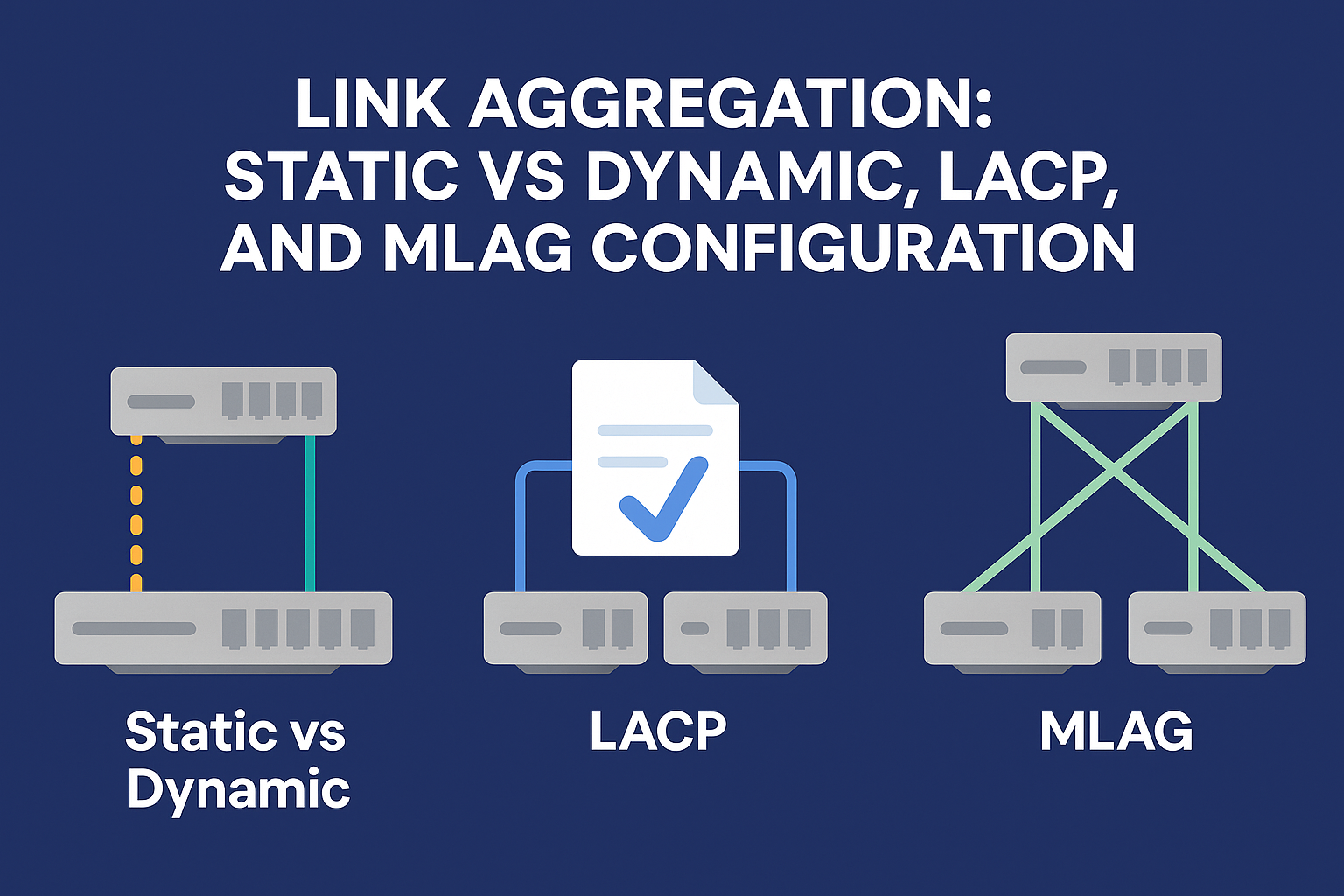
In modern enterprise networks, link aggregation has become one of the most effective ways to increase bandwidth, improve redundancy, and...
Read More
Port 8443 often appears in secure web applications, admin portals, application servers, APIs, and internal enterprise systems. It looks similar...
Read More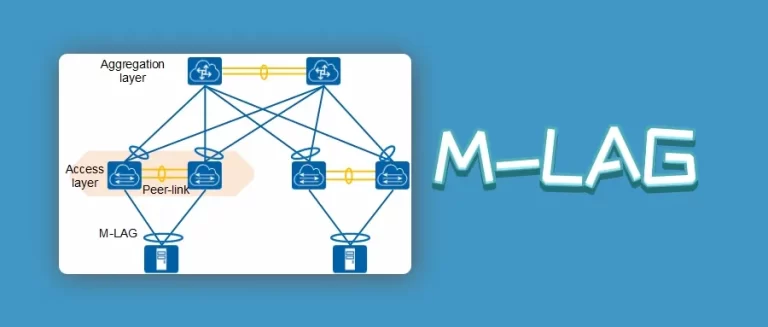
In modern enterprise and data center networks, high availability and zero downtime are non-negotiable requirements.While traditional LACP-based link aggregation provides...
Read More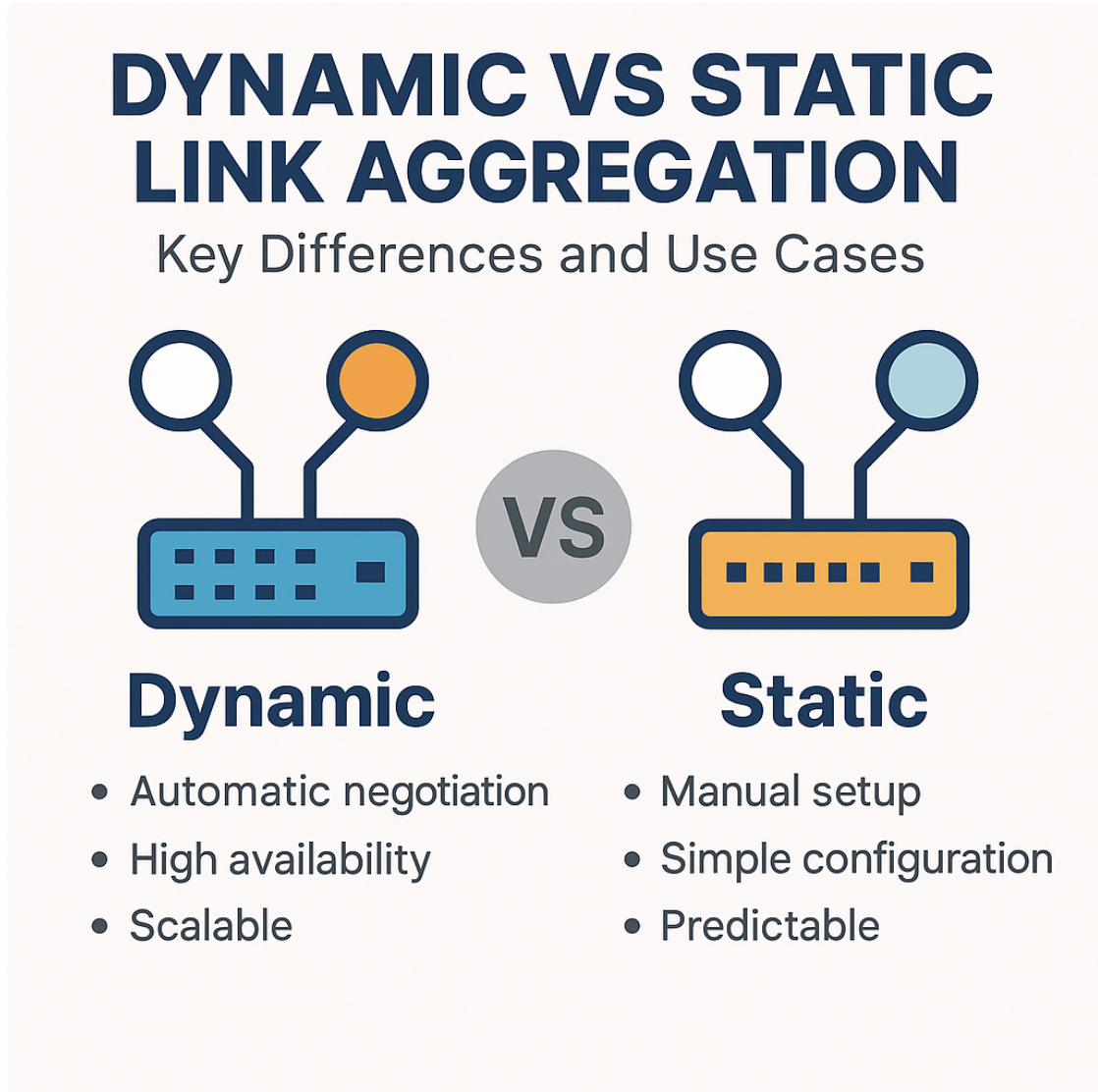
In modern enterprise and data-center networks, link aggregation is a crucial technique for increasing bandwidth and improving redundancy.However, not all...
Read More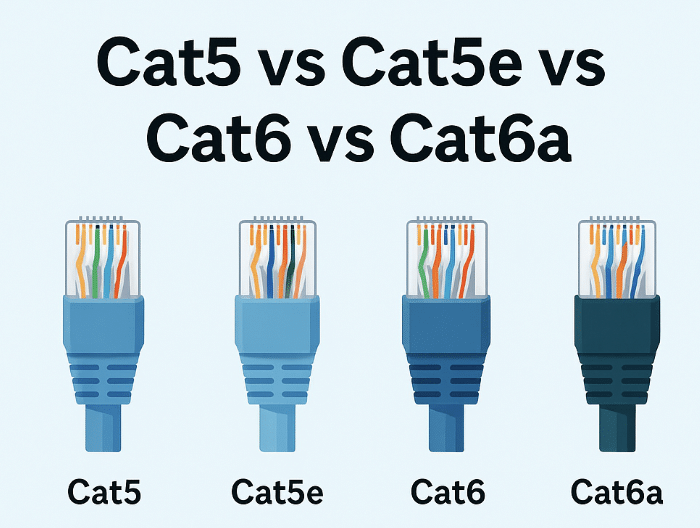
In the digital age, a stable network depends as much on the quality of the cabling as it does on...
Read More
In today’s networks, it’s common to need more Ethernet ports — whether for office computers, IP cameras, or smart devices....
Read More